Derry City’s 1970s Legacy: The Rise of the Candystripes
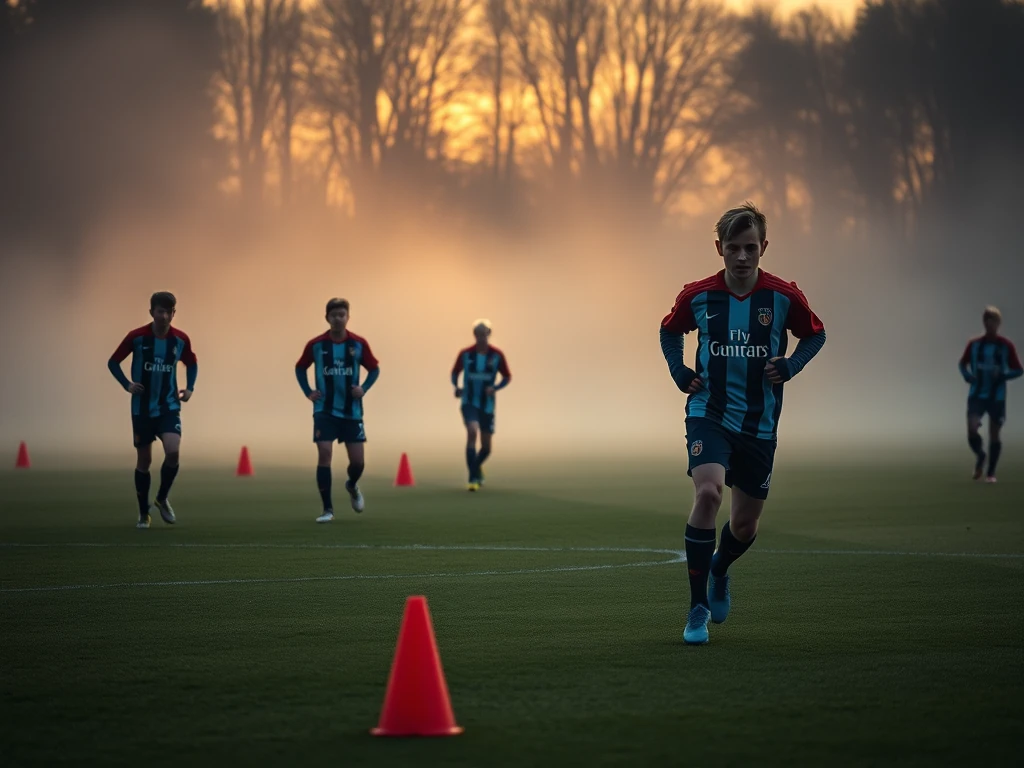
The 1970s were a pivotal decade for Derry City FC, a time when the club began to embrace its identity as the Candystripes and firmly established itself in the landscape of Irish football. As the team donned their iconic red and white striped jerseys, they not only attracted attention on the pitch but also began to cultivate a passionate following that would grow into one of the most dedicated fanbases in the country.
In 1971, the club experienced a significant moment when they made the decision to compete in the League of Ireland, marking a departure from their previous status as a non-league team. This move was met with both excitement and skepticism; however, it proved to be a turning point that laid the foundation for future success. The transition was not without its challenges, as Derry City faced established teams with deeper resources and experience in the league. Yet, the Candystripes' tenacity and fighting spirit quickly endeared them to fans and created a sense of pride within the community.
One of the standout figures of this era was the legendary player and later manager, Jimmy McGeough. His influence on the pitch was undeniable, and his leadership helped guide the team through the turbulent waters of their new league environment. McGeough's vision and commitment to the club helped to foster young talent and instill a sense of unity among players, setting the stage for Derry City to compete against their rivals.
The 1970s also saw the emergence of fierce rivalries, most notably with Finn Harps, which would evolve into one of the most intense derbies in Irish football. Matches between the two sides were electric, often characterized by high emotions both on and off the pitch. The rivalry not only drew large crowds to the Brandywell but also helped to cement Derry City’s reputation as a resilient and competitive side in the league.
Moreover, the club's performances during this time began to attract attention beyond the borders of Ireland. Derry City frequently showcased their talent in various cup competitions, and their efforts paved the way for a more ambitious outlook. The Candystripes started to believe that they could not only compete but could also aspire to win silverware, an ambition that would soon materialize in subsequent decades.
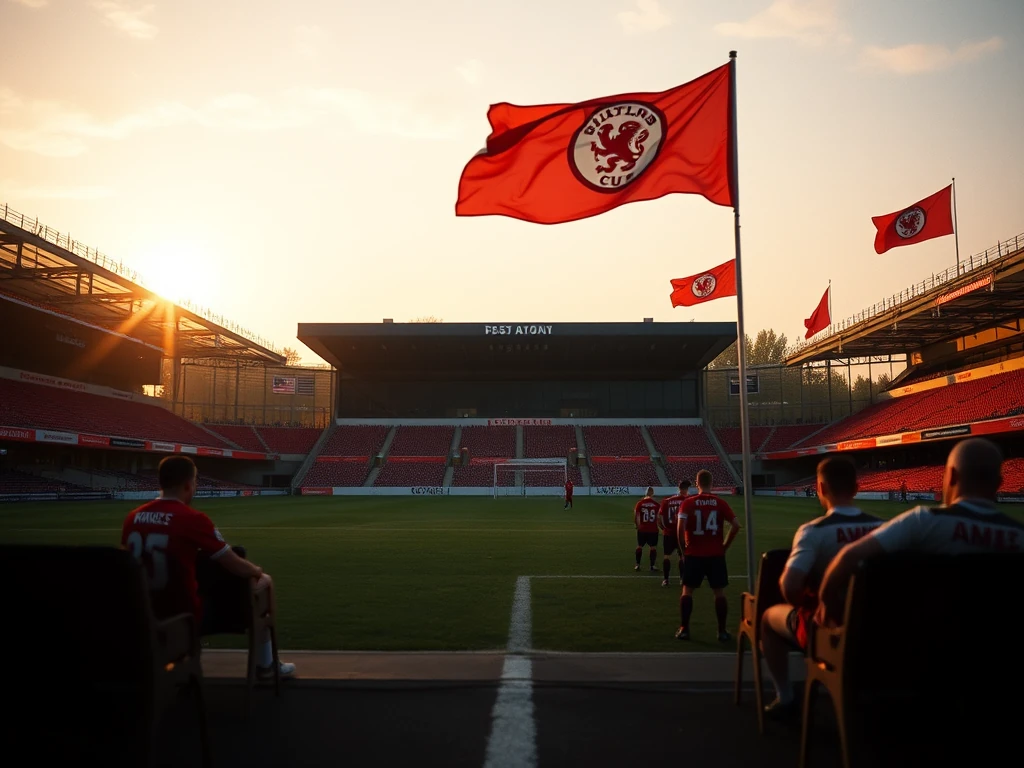
As the decade progressed, Derry City became synonymous with a fighting spirit that resonated with their supporters. The atmosphere at the Ryan McBride Brandywell Stadium transformed into a fortress, where fans rallied behind their team, creating an intimidating setting for opposing sides. This bond between the club and its supporters became a defining characteristic of Derry City, establishing a legacy that would be celebrated for years to come.
In conclusion, the 1970s were a defining decade for Derry City FC, marking their evolution from a non-league team to a formidable competitor in the League of Ireland. The foundations laid during this era, from the rise of iconic players like Jimmy McGeough to the establishment of fierce rivalries, played a crucial role in shaping the club's identity as the Candystripes. As we reflect on this period, it is clear that the spirit and determination cultivated in the 1970s continue to inspire both players and fans alike, ensuring that Derry City remains a vibrant part of Irish football history.