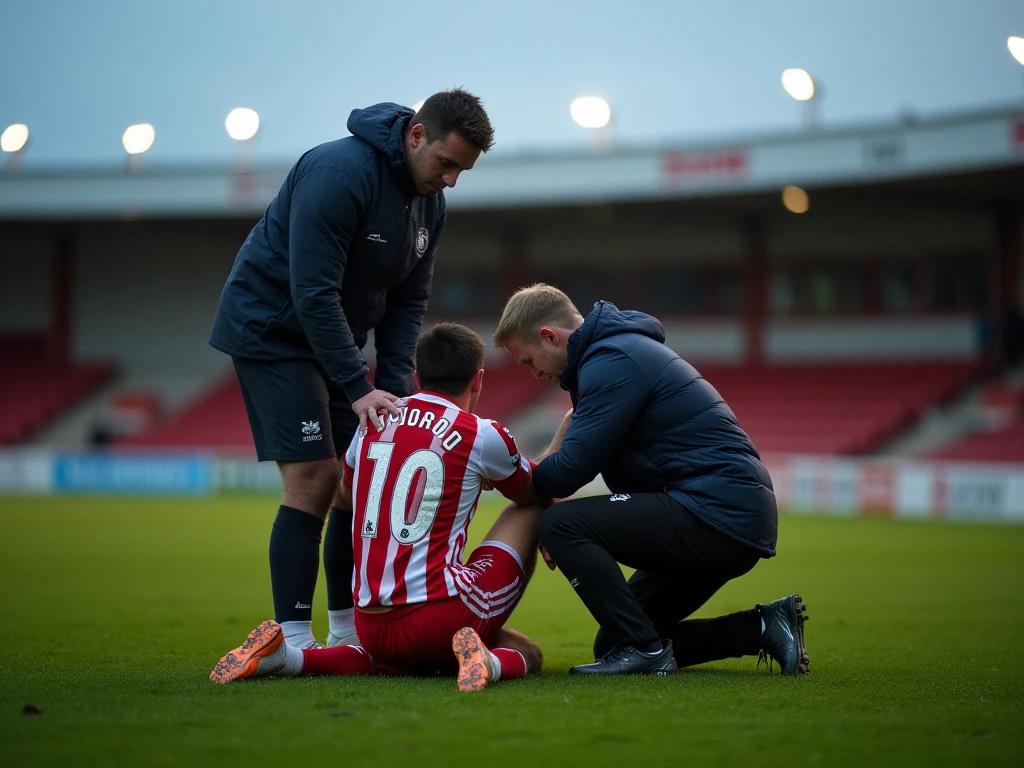
As the season progresses, Derry City fans, known affectionately as the Candystripes, have witnessed a rollercoaster of performances. While the team has undeniably showcased attacking prowess at times, a deeper tactical analysis reveals several areas where strategic tweaks could yield even greater results.
Current Form and Tactical Observations
In recent matches, Derry City has often lined up in a 4-2-3-1 formation, which has allowed for a fluid attacking style but has also exposed vulnerabilities at the back. The double pivot of the central midfielders has been instrumental in transitioning play from defense to attack. However, there have been instances where the midfield has been overwhelmed, particularly against teams that press aggressively.
A couple of recent fixtures highlighted this issue: when pressed, the midfield duo struggled to maintain possession, leading to quick turnovers and inviting pressure on the defense. This suggests a need for greater midfield stability and perhaps a shift to a more robust formation that can withstand aggressive opponents.
Suggested Tactical Tweaks
1. Transition to a 4-3-3 Formation: One immediate adjustment could be to adopt a 4-3-3 formation. This would allow Derry City to add an extra body in midfield, offering more support to the double pivot. By doing so, the team can better control the central areas, as well as provide more options in buildup play. This formation could also enhance the attacking transitions, enabling wingers to stretch the defense and create space for overlapping full-backs.
2. Fluidity in Midfield Roles: Within this new setup, it’s essential to define the roles of the midfielders clearly. A holding midfielder can be tasked with defensive duties while the other two can adopt more dynamic roles, interchanging positions to confuse opponents. This fluidity will not only help retain possession but also facilitate quick transitions to the attack, capitalizing on any gaps left by opposition defenders.
3. Exploit Wide Areas: Derry City has talented wingers capable of wreaking havoc on opposing defenses. By encouraging them to stay wide and stretch the play, the Candystripes can create more one-on-one situations. Coupled with overlapping runs from the full-backs, this can lead to crossing opportunities in the box or even allow for cutbacks to a waiting striker.
4. Defensive Cohesion: On the defensive end, there has been a tendency for the back four to be isolated during high-pressure situations. Implementing a more cohesive defensive structure, perhaps with a tighter line and better communication, is crucial. Ensuring that the full-backs are synchronized with the center-backs will minimize the chances of being caught out during counterattacks.
5. Set-Piece Preparation: Set pieces have become an increasingly important aspect of modern football, and Derry City should capitalize on their height and physicality. Investing time into rehearsed routines for corners and free-kicks can lead to valuable goals, particularly in tight matches where open play may yield limited opportunities.
Conclusion
Derry City’s recent form indicates that the team possesses the talent and skill to compete at the highest levels in the League of Ireland Premier. However, tactical adjustments, such as transitioning to a 4-3-3 formation, enhancing midfield fluidity, and improving defensive coordination, could significantly elevate the team’s performance. With the right tweaks, the Candystripes can transform potential into consistent results, keeping their aspirations alive as they navigate the challenges of the season.